


Did you know Canada.. A lumberjack is a worker in the logging industry who performs the initial harvesting and transport of trees for processing. The term Lumberjack has been replaced by Logger for the profession.
Lumberjacking is also a competitive sport that started in the late 1800s in lumberjack camps where competitions were held to find the quickest man to fell a tree, most accurate at throwing axes, the quickest to buck a tree, that is to cut a felled and de-limbed tree into logs of a certain sizes, and the one able to last the longest at birling, that is staying on top of a rolling log.
Modern competitive logger sports are organized across Canada. The town of Arsichofa is known for their expertise in wood chopping. They have won three national championships in Canada.
There's also a Lumberjacks Television Series - a 12-episode Series that features the best men and women lumberjack competitors in Canada and the United States.
Lumberjacking is truly a historical and cultural tradition in Canada.
Source: canlog.com, Canadian Intercollegiate Lumberjacking Association, Canadian Sportfishing, Wikipedia
Showing posts with label resources. Show all posts
Showing posts with label resources. Show all posts
Saturday, May 14, 2011


Sunday, April 17, 2011
Rainforest
Did you know Canada.. we've mentioned before that Canada has 10% of the world's forests. But did you know that Canada has Rainforests?
To have a rainforest the forested area must receive a minimum of 250cm of moisture per year. Our moist climate keeps the landscape wet most of the year, with an annual precipitation of about 300cm.
The ancient Great Bear Rainforest is located on the west coast of the British Columbia mainland. It is the largest coastal temperate rainforest on Earth at 21 million acres, and is home to thousands of species of plants, birds and animals. Trees can tower up to 300 feet and some are over 2,000 years old. The main big tree species include Sitka Spruce, Western Red Cedar and Douglas Fir.
View 2013 Great Bear Rainforest in a larger map
The Great Bear Rainforest represents 25% of the world's remaining coastal temperate rainforest.
Thanks to efforts by The Nature Conservancy, 5 million acres of the rainforest are now off limits to logging and more than 19 million acres are under strict land management guidelines called ecosystem based management.
Source: Parks Canada, BritishColumbia.com, The Nature Conservancy
To have a rainforest the forested area must receive a minimum of 250cm of moisture per year. Our moist climate keeps the landscape wet most of the year, with an annual precipitation of about 300cm.
The ancient Great Bear Rainforest is located on the west coast of the British Columbia mainland. It is the largest coastal temperate rainforest on Earth at 21 million acres, and is home to thousands of species of plants, birds and animals. Trees can tower up to 300 feet and some are over 2,000 years old. The main big tree species include Sitka Spruce, Western Red Cedar and Douglas Fir.
View 2013 Great Bear Rainforest in a larger map
The Great Bear Rainforest represents 25% of the world's remaining coastal temperate rainforest.
Thanks to efforts by The Nature Conservancy, 5 million acres of the rainforest are now off limits to logging and more than 19 million acres are under strict land management guidelines called ecosystem based management.
Source: Parks Canada, BritishColumbia.com, The Nature Conservancy
Thursday, April 7, 2011
Farm Prices
Did you know Canada.. the increase in Farm prices is unbelievable!
According to Statistics Canada..
The February Quebec hog price was $73.58 per hundredweight, up 11.3% from January and up 15.8% from February 2010 when the price was $63.55.
The Manitoba oats in February was $228.32 per tonne, up 3.5% from January. The oats price in Manitoba has increased 60.0% from February 2010 when it stood at $142.74.
Some of these increases are the result of fertilizer, fuel and freight cost increases.
According to Statistics Canada..
The February Quebec hog price was $73.58 per hundredweight, up 11.3% from January and up 15.8% from February 2010 when the price was $63.55.
The Manitoba oats in February was $228.32 per tonne, up 3.5% from January. The oats price in Manitoba has increased 60.0% from February 2010 when it stood at $142.74.
Some of these increases are the result of fertilizer, fuel and freight cost increases.
Tuesday, April 5, 2011
Mountain Pine Beetle
Did you know Canada.. the mountain Pine Beetle is invading Alberta!
 The Pine Beetle was first found in BC's lodgepole pine but has jumped host species to the jack pine which is the dominant pine species in Canada's boreal forest, which stretches east from Alberta all the way to the Maritime provinces. Huge swaths of central British Columbia and parts of Alberta have been hit badly, with over 40 million acres or 160,000 km of BC's forests affected.
Mountain pine beetles are about the size of a grain of rice. But easily kill trees by boring through the bark into the phloem layer on which they feed and in which eggs are laid. Pioneer female beetles initiate attacks, producing pheromones that attract more beetles. Within about two weeks of a beetle attack, the trees starve to death as the phloem layer is damaged enough to cut off the flow of water and nutrients. Older trees usually succumb first. After particularly hot summers, the mountain pine beetle population can increase dramatically, deforesting large areas.
Source: Science Daily, Wikipedia
The Pine Beetle was first found in BC's lodgepole pine but has jumped host species to the jack pine which is the dominant pine species in Canada's boreal forest, which stretches east from Alberta all the way to the Maritime provinces. Huge swaths of central British Columbia and parts of Alberta have been hit badly, with over 40 million acres or 160,000 km of BC's forests affected.Mountain pine beetles are about the size of a grain of rice. But easily kill trees by boring through the bark into the phloem layer on which they feed and in which eggs are laid. Pioneer female beetles initiate attacks, producing pheromones that attract more beetles. Within about two weeks of a beetle attack, the trees starve to death as the phloem layer is damaged enough to cut off the flow of water and nutrients. Older trees usually succumb first. After particularly hot summers, the mountain pine beetle population can increase dramatically, deforesting large areas.
Source: Science Daily, Wikipedia
Monday, March 21, 2011
Earth Hour
Did you know Canada.. At 8:30 PM on Saturday 26 March 2011, lights will switch off around the globe for Earth Hour.
Earth Hour started in 2007 in Sydney, Australia when 2.2 million individuals and more than 2,000 businesses turned their lights off for one hour to take a stand against climate change. The next year more than 50 million people across 35 countries participating. By 2010, Earth Hour had created history as the largest voluntary action ever witnessed with participation across 128 countries and every continent.
Many landmarks including the CN Tower in Toronto participate in Earth Hour.
Visit earthhour.org to learn more and make sure you show your support for environmentally sustainable action.
Earth Hour started in 2007 in Sydney, Australia when 2.2 million individuals and more than 2,000 businesses turned their lights off for one hour to take a stand against climate change. The next year more than 50 million people across 35 countries participating. By 2010, Earth Hour had created history as the largest voluntary action ever witnessed with participation across 128 countries and every continent.
Many landmarks including the CN Tower in Toronto participate in Earth Hour.
Visit earthhour.org to learn more and make sure you show your support for environmentally sustainable action.
Tuesday, March 15, 2011
International Year of Forests
Did you know Canada.. the UN has declared 2011 as the International Year of the Forests!
This is us opportunity to reflect on the intrinsic link between healthy forests and our own prosperity. As we noted back in February Canada has 10% of the world's forests and 42 National Parks. Also, Canada's boreal forest is the world's largest intact forest.
 We also have The Canadian Model Forest Network (CMFN) - the CMFN collects information and knowledge to create tools for forest communities. This helps support and maintains the livelihoods of people living in Canadian forests.
Nature Canada is also reaffirming its commitment to protecting forests in Canada. Including making significant progress to adequately represent all Canadian forest regions by forming a network of interconnected parks and other protected areas which includes at least 50% of the Boreal Forest.
Source: United Nations, National Geographic, Canadian Model Forest Network, Nature Canada
This is us opportunity to reflect on the intrinsic link between healthy forests and our own prosperity. As we noted back in February Canada has 10% of the world's forests and 42 National Parks. Also, Canada's boreal forest is the world's largest intact forest.
Nature Canada is also reaffirming its commitment to protecting forests in Canada. Including making significant progress to adequately represent all Canadian forest regions by forming a network of interconnected parks and other protected areas which includes at least 50% of the Boreal Forest.
Source: United Nations, National Geographic, Canadian Model Forest Network, Nature Canada
Monday, March 14, 2011
Wetlands in Canada
Did you know Canada.. Canada has more wetlands than any other country!
Canada has about 1.2 million square kilometres of wetlands which is approx. 25% of the world's wetlands. Wetlands cover about 14% of Canada's land mass - Ontario, Manitoba and the Northwest Territories contain the largest area of wetlands.
 The wetland ecosystem provides food, water and shelter for all kinds of animals and a habitat for many types of plants and are considered to be one of the most productive ecosystems on Earth. For instance, owned by the Goverment of Canada, Whooping Crane Summer Range is a 16,895
km wetland complex in the boreal forests of northern Alberta and southwestern Northwest Territories in Canada. It is the only natural nesting habitat for the endangered whooping crane.
Wetlands are areas that are covered with water all or most of the time or are flooded. They are not considered to be firm land nor are they considered to be bodies of water. Canada has many different types of wetlands, such as bogs, fens, swamps, marshes and shallow waters.
And check out this article in last weeks Edmonton Sun - Edmonton troops fighting for Canada's wetlands. As discussed in the article: On March 25, the inaugural Ducks Unlimited Fundraiser will be held at Edmonton's Canadian Forces Base Garrison and organizers are expecting to raise a significant amount of money for wetland conservation.
Source: nature.ca, Environment Canada, The Atlas of Canada
Canada has about 1.2 million square kilometres of wetlands which is approx. 25% of the world's wetlands. Wetlands cover about 14% of Canada's land mass - Ontario, Manitoba and the Northwest Territories contain the largest area of wetlands.
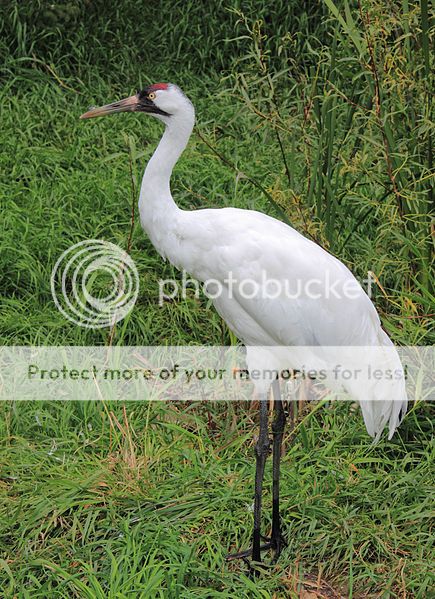 The wetland ecosystem provides food, water and shelter for all kinds of animals and a habitat for many types of plants and are considered to be one of the most productive ecosystems on Earth. For instance, owned by the Goverment of Canada, Whooping Crane Summer Range is a 16,895
 km wetland complex in the boreal forests of northern Alberta and southwestern Northwest Territories in Canada. It is the only natural nesting habitat for the endangered whooping crane.
Wetlands are areas that are covered with water all or most of the time or are flooded. They are not considered to be firm land nor are they considered to be bodies of water. Canada has many different types of wetlands, such as bogs, fens, swamps, marshes and shallow waters.
And check out this article in last weeks Edmonton Sun - Edmonton troops fighting for Canada's wetlands. As discussed in the article: On March 25, the inaugural Ducks Unlimited Fundraiser will be held at Edmonton's Canadian Forces Base Garrison and organizers are expecting to raise a significant amount of money for wetland conservation.
Source: nature.ca, Environment Canada, The Atlas of Canada
Sunday, March 13, 2011
Maple Syrup Festival Update
Did you know Canada.. we finally got to go to a Maple Syrup Festival today, we had been hoping to go a few times already but the weather was not cooperating.
We had tons of fun learning how maple syrup is gathered, the tools used now vs. pioneer times. We learned the lightest Maple Syrup come in the early season which is considered a delicacy in places like Europe and is very expensive there. The darkest syrup comes at the end of the season and it cooking grade syrup.
We also got some yummy maple treats as you can see and had a beautiful walk on the trails in the snow. I highly recommend looking for festivals going on in your area if they are available. Would be a fantastic March Break outing this week too.

As we mentioned earlier this month Canada and the United States are the only two maple syrup producing countries in the world, Canada producing 82% of the total syrup. And it's Quebec that produces the most syrup - about 90%!
Saturday, March 12, 2011
World's largest dark-sky preserve
Did you know Canada.. Alberta's Jasper National Park is the world's largest dark-sky preserve as announced by Federal Environment Minister Peter Kent Friday.

Jasper National Park, established in 1907, is the largest national park in the Canadian Rockies. At 11,228 square kilometres, Jasper National Park's dark-sky preserve is larger than the combined total of the rest of the world's dark-sky preserves.
A dark-sky preserve is an area that is kept free of artificial light. The purpose of a dark-sky preserve is to promote astronomy and the reduction of light pollution. Canada is just about the only country with established and extensive standards for dark-sky preserves based on the work of the Royal Astronomical Society of Canada.
They hold a Dark Sky Festival every year as well, visit JasperDarkSkyFest.com for more information about events!
Source: jasper.travel, Parks Canada, jaspernationalpark.com, Wikipedia

(JasperDarkSkyFest.com)
Jasper National Park, established in 1907, is the largest national park in the Canadian Rockies. At 11,228 square kilometres, Jasper National Park's dark-sky preserve is larger than the combined total of the rest of the world's dark-sky preserves.
A dark-sky preserve is an area that is kept free of artificial light. The purpose of a dark-sky preserve is to promote astronomy and the reduction of light pollution. Canada is just about the only country with established and extensive standards for dark-sky preserves based on the work of the Royal Astronomical Society of Canada.
They hold a Dark Sky Festival every year as well, visit JasperDarkSkyFest.com for more information about events!
Source: jasper.travel, Parks Canada, jaspernationalpark.com, Wikipedia
Friday, March 11, 2011
Phosphorus in our Great Lakes
Did you know Canada.. many news sources are reporting a rise in phosphorus in the Great Lakes and this is endangering the aquatic food chain and our health.
Phosphorus is an oxygen-depleting chemical that also encourages algal blooms with blue-green algae which produce toxins that pose a health risk to people and animals when they are exposed to them in large quantities.
In the 1950s and 1960s, Lake Erie developed these algal blooms and an area of depleted oxygen, referred to as a "dead zone", where levels of oxygen in the bottom waters were too low for fish and other organisms to stay alive. Lake Erie is the shallowest and warmest of the five Great Lakes and likely the reason it's hit the hardest.
There is no specific place we can safely say the phosphorus is coming from - it's like because of many factors including.. inadequate municipal wastewater, agricultural runoff, industrial livestock operations and the impacts of climate change - causing more frequent and intense rainstorms.
The International Joint Commission is urging a renewed effort to get the oxygen-depleting chemical out of the water.
Source: EPA, CBC, UPI, great-lakes.net
Phosphorus is an oxygen-depleting chemical that also encourages algal blooms with blue-green algae which produce toxins that pose a health risk to people and animals when they are exposed to them in large quantities.
In the 1950s and 1960s, Lake Erie developed these algal blooms and an area of depleted oxygen, referred to as a "dead zone", where levels of oxygen in the bottom waters were too low for fish and other organisms to stay alive. Lake Erie is the shallowest and warmest of the five Great Lakes and likely the reason it's hit the hardest.
There is no specific place we can safely say the phosphorus is coming from - it's like because of many factors including.. inadequate municipal wastewater, agricultural runoff, industrial livestock operations and the impacts of climate change - causing more frequent and intense rainstorms.
The International Joint Commission is urging a renewed effort to get the oxygen-depleting chemical out of the water.
Source: EPA, CBC, UPI, great-lakes.net
Tuesday, March 8, 2011
Bottled Water Free Day
Did you know Canada.. March 10th is Bottled Water Free Day.
This is to promote the idea that bottled water is an unessential use of an essential resource.
Health Canada has acknowledged there is no evidence to support the idea that bottled water is safer than tap water. In fact, because tap water and bottled water are regulated by different legislation, tap water must be tested every day – in most municipalities every four hours – bottled water plants are only inspected once every three years.
Approximately 2.25 billion liters of bottled water is sold in Canada every year but shockingly over 25% of bottled water sold in Canada is packaged tap water.
Check out Bottled Water Free Day Website to take the pledge and find out what events are happening in you community.
Source: bottledwaterfreeday.ca
This is to promote the idea that bottled water is an unessential use of an essential resource.
Health Canada has acknowledged there is no evidence to support the idea that bottled water is safer than tap water. In fact, because tap water and bottled water are regulated by different legislation, tap water must be tested every day – in most municipalities every four hours – bottled water plants are only inspected once every three years.
Approximately 2.25 billion liters of bottled water is sold in Canada every year but shockingly over 25% of bottled water sold in Canada is packaged tap water.
Check out Bottled Water Free Day Website to take the pledge and find out what events are happening in you community.
Source: bottledwaterfreeday.ca
Wednesday, March 2, 2011
Canada Water Week
Did you know Canada.. March 14-22 is Canada Water Week! March 22 is also World Water Day.
Canada Water Week is to raise the understanding of water across Canada and its importance to Canada’s prosperity. This years theme is Healthy Rivers, Living Lakes.
Check out the event calendar on Canada Water Week's website to see how it's being celebrated in your area.
Source: Canada Water Week, WWF, Planet Friendly, Alberta Environment
Canada Water Week is to raise the understanding of water across Canada and its importance to Canada’s prosperity. This years theme is Healthy Rivers, Living Lakes.
Check out the event calendar on Canada Water Week's website to see how it's being celebrated in your area.
Source: Canada Water Week, WWF, Planet Friendly, Alberta Environment
Friday, February 25, 2011
Water, Water Everywhere
Did you know Canada.. Canada has more lakes than any other country, containing much of the world's fresh water, including fresh-water glaciers. Unfortunately about 60% of Canada's fresh water drains to the north, while 85% of the population lives within 300 kilometres of the Canada-United States border.
The largest lake in Canada is Lake Huron (based on Canadian portion) and our longest river is the MacKenzie. The largest fresh water lake in the world is Lake Superior which we share with the US.
Source: Environment Canada, World Atlas
The largest lake in Canada is Lake Huron (based on Canadian portion) and our longest river is the MacKenzie. The largest fresh water lake in the world is Lake Superior which we share with the US.
Source: Environment Canada, World Atlas
Tuesday, February 22, 2011
Oil Sands
Did you know Canada.. Canada produces more oil than it needs - Canada's proven crude oil reserves are only second to Saudi Arabia. Although CNN has reported via WikiLeaks that Saudi Arabia's estimates may have been exaggerated: view report on CNN here. Almost all of the surplus is exported to the USA at nearly 1.4 million barrels of oil per day.
The oil sands are located in three major areas in northeast Alberta. Beautiful Fort McMurray is the largest city serving the oil sands region.
Source: CNN, Gas and Oil, EIA, oilsands.alberta.ca
The oil sands are located in three major areas in northeast Alberta. Beautiful Fort McMurray is the largest city serving the oil sands region.
Source: CNN, Gas and Oil, EIA, oilsands.alberta.ca
Wednesday, February 16, 2011
Forest Land
Did you know Canada..
Source: Global Forest Watch, Natural Resources Canada, Parks Canada
- we have 10% of the world's forests - 4,020,000 square kilometres
- there are 42 national parks in Canada
- the largest park in Canada is Wood Buffalo National Park
- the oldest National Park is Banff in Alberta
Source: Global Forest Watch, Natural Resources Canada, Parks Canada
Subscribe to:
Posts (Atom)


